
Do your knees groan when you climb stairs? Does a simple walk feel like a strenuous workout? While knee pain can have many causes, one of the most significant, yet often overlooked, factors is your body weight. Understanding the connection between the two is the first step toward lasting relief and healthier joints.
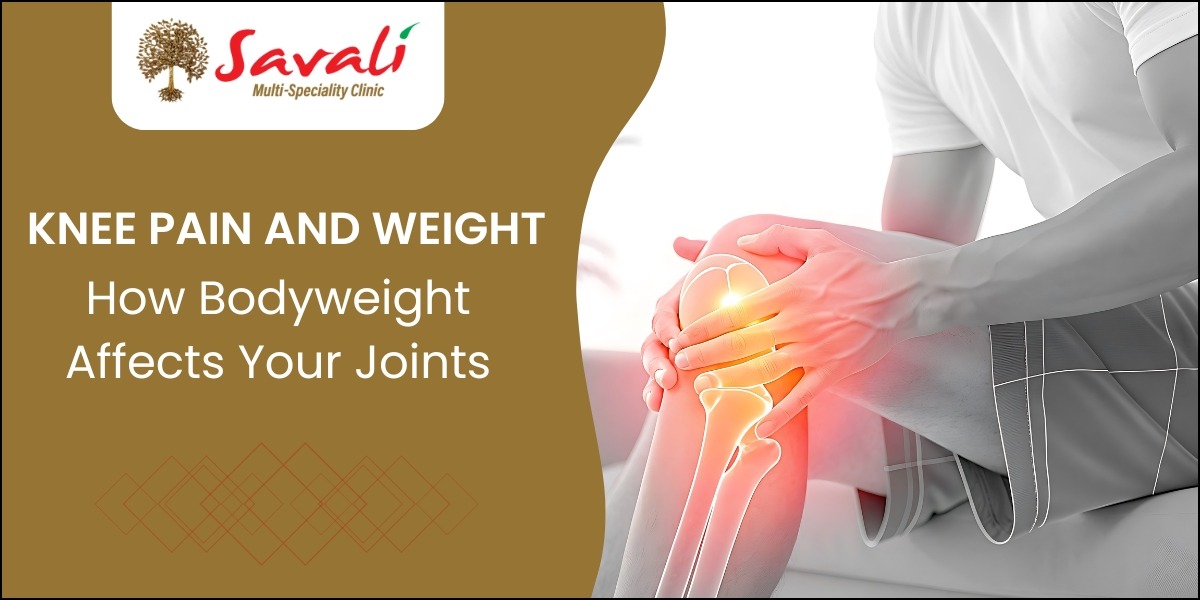
Your knees are engineering marvels—complex hinges designed to bear your weight, absorb shock, and provide mobility. But every extra pound you carry places a disproportionate amount of stress on these vital joints. Think of it this way: For every 1 pound of body weight you gain, your knees feel an added force of approximately 4 pounds with each step. Climbing stairs or running multiplies this force even further.
This constant, excessive load accelerates the wear and tear of the articular cartilage—the smooth, protective cushion at the end of your bones. Over time, this can lead to or worsen osteoarthritis, turning everyday movements into painful challenges. The inflammation caused by excess weight further compounds the problem, creating a cycle of pain, reduced activity, and potential weight gain.
The Good News: Weight Loss is Treatment
The most encouraging aspect is that this is a modifiable risk factor. Losing weight is one of the most powerful, non-surgical treatments for knee pain. Even a modest weight loss of 10-15 pounds can reduce the load on your knees by 40-60 pounds per step, leading to:
- Significant reduction in pain and stiffness.
- Improved mobility and function.
- Slowed progression of osteoarthritis.
- Enhanced outcomes if surgery, like a knee replacement, is ever needed.
Taking the First Step Towards Healthier Knees
-
Consult a Specialist: An accurate diagnosis is crucial. Conditions like meniscus tears or ligament injuries require specific treatments alongside weight management.
-
Embrace Low-Impact Exercise: Swimming, cycling, and walking strengthen the muscles (quadriceps, hamstrings) that support your knees without high-impact stress.
-
Focus on Nutrition: Adopt an anti-inflammatory diet rich in vegetables, fruits, lean proteins, and whole grains to support joint health and sustainable weight loss.
-
Listen to Your Body: Start slow, use proper footwear, and incorporate strength training to build a strong muscular framework for your joints.
Expert Care for Your Joint Health in Hadapsar
If knee pain is holding you back, you don’t have to navigate this path alone. At Savali Multispeciality Clinic, Dr. K P Dev Jaidev, a renowned orthopedic doctor in Hadapsar, Pune provides comprehensive care. Dr. Jaidev specializes in diagnosing the root cause of joint pain and creating personalized treatment plans. Whether it’s through advanced non-surgical interventions, physiotherapy guidance, or surgical expertise when necessary.
FAQs on Knee Pain and Weight
1. Can losing weight help knee pain?
Yes, absolutely. Losing weight significantly reduces stress on knee joints. Even a small amount of weight loss can lead to a dramatic decrease in pain and improved mobility.
2. How does extra weight affect knees?
Extra weight increases force on the knees—about 4 pounds of pressure per knee for every 1 pound gained. This accelerates cartilage wear, increases inflammation, and raises the risk of osteoarthritis.
3. What is the best exercise for knee pain if overweight?
Low-impact exercises are best. Swimming, water aerobics, stationary cycling, and walking on flat surfaces build supporting muscles without placing excessive stress on the joints.
4. Can knee pain from weight gain be reversed?
While damaged cartilage may not fully “reverse,” losing weight can drastically reduce pain, improve function, slow down further damage, and may delay or prevent the need for surgery.