
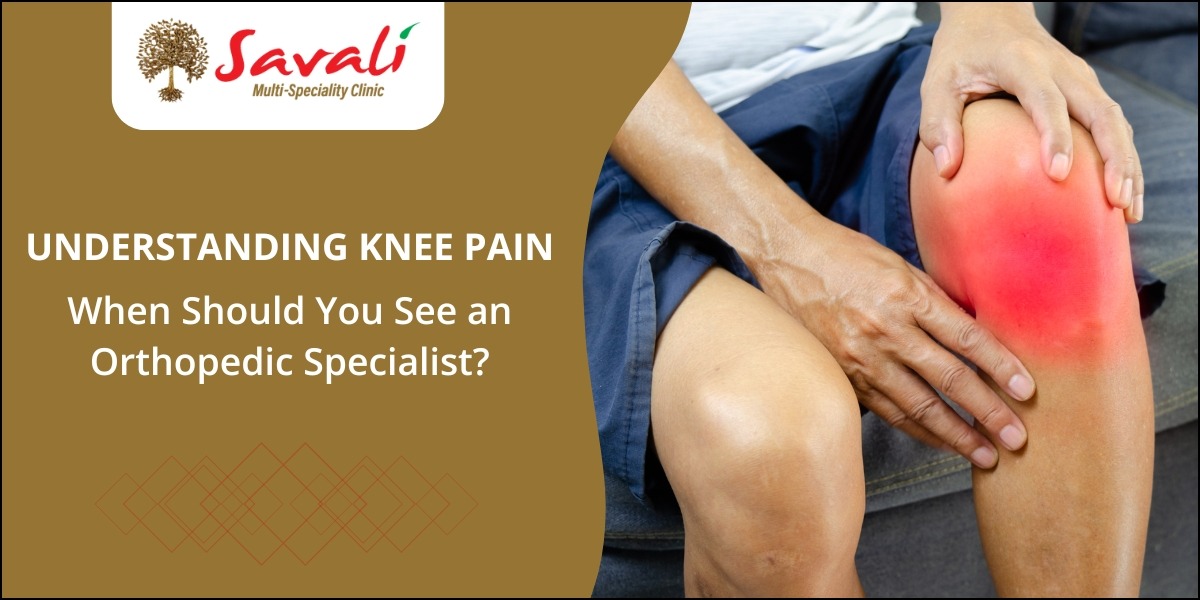
Knee pain is a common complaint that can stem from a variety of causes, from a sudden injury to the gradual wear-and-tear of arthritis. While minor aches often resolve with rest and home care, persistent or severe pain can signal a deeper problem needing professional attention. Knowing when to self-manage and when to consult an orthopedic specialist is key to preserving your mobility and quality of life.
Common Causes of Knee Pain
Your knee is a complex joint involving bones, cartilage, ligaments, tendons, and fluid-filled bursae. Pain can originate from any of these structures. Common causes include:
- Injuries: Such as ligament tears (ACL, MCL), meniscus tears, fractures, or tendonitis.
- Mechanical Problems: Like a dislocated kneecap or loose body (a fragment of bone or cartilage floating in the joint space).
- Arthritis: Osteoarthritis (wear-and-tear), rheumatoid arthritis (autoimmune), and gout are frequent culprits.
- Overuse: Repetitive stress from activities like running or jumping can lead to conditions like “runner’s knee” (patellofemoral pain syndrome).
Warning Signs: Time to See an Orthopedic Specialist
It’s advisable to schedule a consultation with an orthopedic doctor if you experience any of the following:
- Persistent Pain: Pain that lasts for more than a few weeks despite rest, ice, and over-the-counter pain relievers.
- Significant Swelling: Swelling that doesn’t subside within a few days or occurs immediately after an injury.
- Instability or “Giving Way”: A feeling that your knee is buckling or cannot support your weight.
- Limited Mobility: Inability to fully straighten or bend your knee, or a noticeable decrease in your range of motion.
- Deformity: Any visible deformity of the knee or leg.
- Popping or Grinding Sensation: A loud “pop” at the time of injury or a persistent grinding noise (crepitus) with movement.
- Severe Pain & Inability to Bear Weight: If you cannot put any weight on the affected leg.
An orthopedic specialist can provide an accurate diagnosis through physical examination and imaging (like X-rays or MRI) and create a tailored treatment plan, which may include physical therapy, medications, injections, or in some cases, surgery.
Expert Knee Care at Your Doorstep
Seeking lasting relief from knee pain, Savali Multispeciality Clinic offers comprehensive and advanced orthopedic care. Consult Dr. K P Dev Jaidev – one of the best orthopedic doctor in Hadapsar, provides accurate diagnosis and personalized treatment plans for all knee conditions, from sports injuries and ligament tears to arthritis and age-related degeneration.
Visit : Savali Multispeciality Clinic
Address : 1st floor, Yash Complex, Bhosale Garden Rd, Bhosale Nagar, Hadapsar, Pune
Contact Number : +917350779595
FAQs on Knee Pain
1. What is the most common reason for knee pain?
The most common reason is osteoarthritis, the “wear-and-tear” arthritis that breaks down joint cartilage over time, often due to aging or previous injury.
2. How do I know if my knee pain is serious?
See a doctor if pain is severe, follows a loud “pop” or injury, causes significant swelling, prevents you from bearing weight, or doesn’t improve with rest in a few weeks.
3. What will an orthopedic doctor do for knee pain?
They will diagnose the cause through examination and imaging, then recommend a treatment plan which may include physical therapy, medication, supportive braces, injections, or surgery if needed.
4. Is walking good for knee pain?
Gentle walking can be good for mild arthritis pain as it strengthens supporting muscles and maintains joint mobility. However, stop if it increases sharp pain, and avoid it entirely after a recent acute injury.
5. Can knee pain go away on its own?
Yes, minor knee pain from a mild strain or overuse can often improve with rest, ice, compression, and elevation (R.I.C.E.) within a few days to a week. Persistent pain requires medical evaluation.